【3月:孕 5 周】
月经晚了近一个星期,今天早上一测,发现自己怀孕 2-3 周啦!从末次经期第一天算起的话,就是 4-5 周了。虽然现在还没打算跟身边大家公布喜讯,毕竟还未稳定,但为免自己忘了此刻的心情,还是想把此时所想记录下来。
半年前的流产经历令我们仿佛经历了一个 dry run,当时因为有轻微出血的症状,我们比较慌乱,忙着在几天内买齐一些适合孕期用的产品、服装、调整饮食、作息,也因此把该做的该注意的部分都演习了一遍。这次虽然没有了上次那种初次发现自己有了的惊喜感,却较上次淡定了许多,心情的曲线也很平稳,也不会像上次一样有太多担心,反而一切如常,有时还会忘了自己已有身孕这件事。这点让我很欣慰,因为我始终相信日常的担忧和 anxiety 才是对胎儿影响最大的。
这次我希望自己可以全程放松心情、快乐地去迎接小生命的到来,不要因为看到小红书上的各种产检清单、每日测 HCG 翻倍什么的而焦虑,把去看医生的次数减到最低,慢慢地、一关一关地过,如果中途有什么事过不了关我也会放平心情去对待,毕竟都是缘分,而我已经尽了人事。
昨天也心血来潮采访了一下室友的感受,他说如果是个女儿的话他会比较宠她。但我用 Deepseek 算了一下,它预测 70% 是儿子。我个人也比较希望第一胎会是儿子,二胎女儿,这样有大哥哥罩着的妹妹一定会很幸福。但现在说还早着呢,胎儿还只是芝麻大小。我们就抱着各自的希望,拭目以待吧!
【4月:孕 10 周】
今天孕十周啦,这次相比上次怀孕感觉稳了很多,前天去照超声的时候看到屏幕上小小的胎儿在手舞足蹈,小小的手和脚不断地在挥舞,好像在说 “爸爸妈妈!你们看到我了吗!我在这里!” 这一刻终于对胎儿的存在有了真实感,觉得啊,这真的是一个小生命,孕育在我的子宫里。遂给它取了一个胎名,今后每天都会跟它说说话!
前天也抽了一大管血去做 NICC Extended,希望一切顺利!但我有预感,这次的小宝宝特别强健,跟上次不稳的感觉有显著区别,它一定会健康成长足月出生!现在我只是希望它在出生的时候头不要像爸爸一样大,不然肯定很难生。
孕反还是目前最大的问题,是没有到吐出实质的东西来,但太容易恶心了,饿会恶心,刷牙会恶心,甚至光是想到铁剂的味道和感觉就恶心,真的很不妙,尤其是在我已经铁蛋白储备不足的情况下。刚在药剂师表妹的推荐下买了一款牛初乳,也上网订购了小红书上有人推荐的泡水喝的铁剂(稍贵),希望喝得下去。
【7月:孕 24 周】
已经到孕中期咯!产检一路绿灯到现在,下一关就是一个月后的四维小排畸啦。
NICC 结果出来发现是儿子的时候,室友当下有小失落了一下(虽然他始终矢口否认),但我还是很兴奋的!可能就是他家两兄弟所以会期待有女儿,而我家是两姐妹所以会期待有儿子。但都说儿子智商随母亲,我反倒希望他的数理可以随爸爸多一点,语文可以随我!如果反过来就真是该煨了,前途堪忧。
19 周前后开始已经感受到胎动了,开始时是在小腹下方一点点的小颤动,之后开始感觉到小小的被拱、还有咕咚一下的感觉,如今 24 周躺下的时候都感受得到被踢了,也可以跟宝宝互动了。有时室友也会把耳朵贴在我肚子上,听听小宝宝在羊水里游泳的声音。室友现在已经能通过里面水声的激烈程度判断小宝宝是睡着还是醒着了,每次模仿水声泡泡声给我听都觉得特别搞笑。
我还是天天会跟小宝宝说话,在做什么事之前都会通知他一声。躺在产检床上时我跟他说 “医生要照超声波咯,可能有一点吵!” 结果还被医生嘲笑一番,问我为什么要跟胎儿说话。
上个星期晨起两只中指都有一点酸麻和轻微痛感,遂发现了孕期腕管综合征这件事,据说产后就会自己好。对于我这个日常高度使用手指敲键盘者,尤其还是在多年前都已经确诊过轻微腕管综合征的人,这个孕期症状倒是令我觉得好笑,有种 “我不中谁中” 的感觉。
舅母之前也曾建议我去游泳,说是孕期很好的运动,在对比了选项后选了一个附近乡村俱乐部的泳池。游泳时发现自己气比较短,不太能沉潜蛙泳,所以主要还是在水面上做简易版蛙式。游泳和散步之后都有一些耻骨痛的现象,但产科医生说是正常的。 希望之后也能继续坚持每星期游泳到生!
《补剂》
说起补剂,那又是另一个难题。
- 综合维他命:我在备孕期间就已经开始吃一款孕期综合维他命了,进入孕期后就是剂量翻倍而已,一天吃两次。
- 牛初乳:药剂师表妹给我推荐的她自己孕期每天喝的牛初乳,富含营养;据说她宝宝因此长得很大,出生时3.6kg,骨头都是硬的!一听说我是打算顺产的她就教我降低剂量喝。
- 滴鸡精:偶然喝到余人生的滴鸡精觉得好喝不腥,就一次过买了六大盒。
- 铁剂:孕早期发现我血量够但铁蛋白储备很低,应该是之前流产出血还没补回来,所以医生早早就开了铁剂给我吃,但我因为食道返流和孕反恶心就停了几个月,期间不断找寻各种液体铁剂,又因为对铁剂味道和之后胃部不适的感觉本能的抗拒而又拖延了很久,上个星期才开始喝一种掺了果汁的液态铁剂。
- 钙片:如今因腕管综合征和偶尔的耻骨痛要开始补钙,而且平时足不出户没有接触阳光,所以每天一粒维D碳酸钙。
铁钙和牛奶之间有一些相抗的部分,大部分的补剂又都需要随餐吃,搞得我非常头痛,根本不够时间也不够餐点来配。于是只好请 AI 帮我拟了一份随餐补剂周表,尽量避开 drug interactions 和有碍吸收的东西,开始乖乖遵循。
《瑜伽》
这段时间里我也有尝试去做孕期瑜伽。
从14周至今上了七节课,断断续续地,有时是不够人数开班,有时是刚好出国或前一晚没休息好就没去。但即便如此,虽然不知是否应归功于瑜伽课,但我感觉自己的孕期是相对轻松的,能坐能走,也不太会有腰酸背痛(除了去韩国的来回航程上挤在经济舱靠窗座位上坐到尾龙骨痛的那两次)。当然那也可能是因为我目前是处于孕中期,精神、状态都特别好,每天都很愉悦,甚至有比孕前更生龙活虎的趋势。都说孕中期是 Golden Trimester,不是没有道理的。
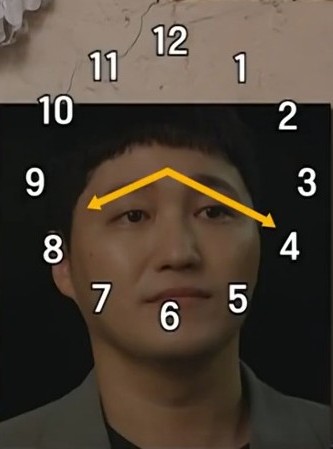
在瑜伽课结束前老师都会叫我们躺下做一个大休息,有点类似 meditation,慢慢把身体每一寸都放松下来的过程。在大休息期间我会随思绪飘走,堪堪地飘到海岛婚礼当天,我从玻璃教堂外面,手握捧花,一步步慢慢地走向教堂。走进教堂,看到一众亲朋好友幸福洋溢的笑容,再经过布满花瓣的地面一步步走向眉毛呈 8:20am 笑得格外温暖和蔼的室友。午间的阳光明媚,玻璃教堂后面是辽阔蔚蓝的大海,我的心中是满溢的幸福感、感恩与快乐。这一幕深深地镌刻在我的脑海里。
我笑着跟室友说,如果世上有哈利波特的魔法,我需要用一个很强大的快乐记忆去呼唤我的 Patronus,那我会使用的记忆应该就是那一段路了。它是我迄今为止在世上走得最幸福最快乐的一段路,也将会是我一直走下去的动力来源。
【9月:孕 32 周】
正式进入到孕晚期的前两周,睡觉的时候真是怎么都不舒服,后腰上方肩胛骨以下的位置一直在隐隐作痛,有时痛得我倒吸一口凉气,但吸气太快却又导致我前胸刺痛,简直是前后夹攻,每晚都是草草睡了几小时就痛醒、酸醒、被踢醒、或是尿急醒,对我这个向来自诩睡眠质量高的睡觉达人来说真是前所未有的考验,很有点新鲜。
过渡时期刚好室友不在,于是我就把整个床上所有的枕头、抱枕、绒毛玩具等全都用上,构筑了一个软堡垒全方位衬托我的身体,也亏得我们平时囤积了许多阿里不达在床上,这时候尽数派上了用场,保了我几日无虞的睡眠。所幸在室友回来当天,我加急订购的孕妇枕及时抵达,也终于拯救了我的腰背,真是个好发明,这种产品应该来多一点。室友试躺了一次后也爱上了孕妇枕,常在我不在床上的时候窝在其中小睡,那极度享受的神情令我哭笑不得。
小宝宝最近的动作也开始变大了,侧躺时有时角度太大他都会抠抠下面被压到的地方,非常可爱,但有几次他忽然大幅伸展手脚也是把我吓一大跳——并不是痛,但就是有种肚子忽然被拉扯到极限的不适感,也是让我倒吸一口凉气,随即感叹他真是长得很快,转眼间就8个月了!产检也是一路绿灯,宝宝除了头偏大两周以外(奈何他爹头大),其他指数尽皆良好适中,只是孕前不太嗜甜的我近期有点无法控制想吃甜食的倾向,又恰逢中秋佳节,月饼、流沙包、炸年糕、快餐和巧克力都没少吃,导致体重增长过快,最后这两个月只好吃得干净些且再增加运动量了。
最近也趁着 9.9 和一系列的母婴展成功购置了婴儿车、安全车座、提篮、浴盆几件大样,价格都偏中上,想着这些安全相关的还是花点钱比较稳妥,算是为迎接小宝宝的到来做足了准备,据说学名叫 “Nesting Instinct”,室友可能因为天天和我窝在一起受了荷尔蒙影响,感觉他的这种倾向比我还更加强烈。另外还凭粉红册子领了一个免费的芬兰婴儿箱,说小宝宝可以直接睡在里面,实际上就是一纸箱,想当年我们家小狗被捡回来前面几个月也是睡的纸箱。唉,经济不景气,父母又双失业,小宝宝也只好睡个半年的纸箱先对付着吧。
【10月:孕 38 周】
宝宝足月啦!我在几周前陆陆续续就开始购入并准备了待产包和坐月所需,室友也在车上备好了新生儿提篮,一切准备就绪静待发动!
昨天进入产房做胎心监测,顺道体验了一把躺在产床上的感觉。胎心监测以优异成绩过关,但之前产道检查结果发现有罕见的菌群大量繁殖,可能会导致新生儿有危险,因此必须开始吃抗生素。真的是防不胜防,我之前心心念念不要中 B 族链球菌以免要打抗生素且影响宝宝接触的产道菌群,还特地去研究了专门对付 GBS 的益生菌种,花了不少时间钻研并找来吃,结果还是因为另一种菌群失衡导致要吃抗生素。但是既来之则安之,收益大于风险的情况下这抗生素该吃还是得吃。
接近临盆身体也因为荷尔蒙而产生了奇怪的症状,出了一身的妊娠疹,奇痒无比,虽知道不该去抓但有时还是会忍不住。医生因此也开了抗组胺药给我,日常得吃的药丸又增一员。现在每天要吃的有:铁剂、钙片、卵磷脂(一天三粒且超大粒)、综合维他命、鱼油、益生菌、抗生素和抗组胺药,有时五六餐都不够配的感觉。但想到孕期也仅剩最后两周了,且这些都是为了宝宝做准备,一切都值得!
表弟和表弟媳的宝宝刚两个多月,几日前特地过来送了我们几大包东西,有新生儿的衣服、手套等,还有整套的名牌奶瓶和电动奶泵。表弟媳非常贴心,所有东西都洗好叠好分门别类装得整整齐齐,让我特别感动。表弟夫妇也跟我们分享了许多照护新生儿的心得,让我们受益良多。表弟媳选择的是剖腹产,跟我的药剂师表妹一样,毫无痛楚地睡一觉起来宝宝就出来了,之后也都选择不亲喂母乳,或是早早就换成了奶粉瓶喂。这种搭配好像是新世代的工作女性生育时普遍的首选,不内耗不痛苦不心烦。
近期我听到的一些建议也都是跟我说,不要亲喂太久,该睡就睡,重视自己,能交给别人照顾就尽量交,不要让孩子成为生活的唯一重心,因为孩子不管怎么养都是会长的,不一定要凡事亲力亲为。但我这个人就是硬颈,一贯都是觉得要做一件事就要尽力去把它做好,所以我不愿这么快就调整重心,会先专心做好月子,之后再跟室友一起钻研怎么照顾好宝宝,把我们力所能及的最好给到他。这或许有违多年来精英教育里跟我们说的女生该有事业心、自立自强、实现自我价值,因为如果在育儿方面投入过多精力会容易把自身的价值跟家庭捆绑,或者失去自我、事业停滞。但我相信自己的才华和能力不会因为带孩子几年就被掩盖,只要愿意,总是能做到的。但生育的窗口也就这几年,我也不愿错过孩子美好的成长点滴,毕竟我也是一心向往体验成为人母的这个过程、在准备好以后才开始备孕的,完全是自主的选择。我也深信这一点将会成为我们往后克服万难一直走下去的动力。
话说我在几周前也设计并打印了一份精美且完整的生产计划,既美观内容也令我很满意,但始终不敢或不愿出示给医生看。我们从一开始就是慕名而去找他的,我的家庭医生、药剂师表妹、甚至皮肤诊所的医生都大力推荐他,他的话也一直都令我们很安心且心情愉悦,也从未有表现出不尊重我的选择的倾向。他也比较提倡顺应自然,只是该干预的时候才会果断干预,以确保母子平安,这些跟我们的选择是一致的,所以一直觉得给他我的生产计划好像有点多余或自作聪明的感觉,我也不希望无谓地增加他的负担,在他在为我接生的时候感到厌烦或对我观感不佳,毕竟我还是很信任他的判断的。只是当我跟他提到不想打无痛的时候,他只是一贯嘲弄式地开玩笑说:“Sure I’ll let you try, by all means, but you don’t know what you’re asking for!” 这令我有点忐忑,但我还是愿意铁着头试一试。他也建议我40周如果还未自然发动就入院引产,我表达了希望等待自然发动的意愿,他就说40周之后羊水污染和胎盘老化的各种情况反而会导致紧急剖腹的可能性直线上升,如果是因为想顺产而不愿引产可能会导致反效果。所以最终暂定是如果到时还未自然发动,那就在预产期前一天直接去住院。
宝宝的情况嘛,他的头一直都是偏大一到两周,在37周6天产检的时候正式偏大三周,直逼 10cm,预估体重也来到了3.2公斤。但我还是对顺产有信心,毕竟信念可以战胜一切,医生护士也都有说过我的体格健硕应该能行,宝宝整个孕期也一直都很贴心,没给我太大的麻烦,在生产的时候肯定也会尽力配合的。照超声的时候发现宝宝的头还在转动,就是还没有正式入盆,只是这几周都是头位而已。有因此微微担心了一下,但医生说只要每天有运动、多喝水,应该是没问题的。
室友在这整个孕期都是模范伴侣,不仅陪我出席每一次的产检,逛遍所有的母婴展且对要购入的大件如婴儿车、安全车座、新生儿提篮、婴儿床等都做足了功课,安排我们接下来一年的住处,每一笔支出也都精打细算但该花的毫不手软,帮我选了顶级的月子配套,还签了几个孕期和产前按摩配套;还有日常的帮我泡脚按摩,扶我上下车和床,帮我拿食物和水上下楼,帮我穿袜子裤子,陪我散步,搞怪热舞逗得我开怀大笑等等。最近他更是应我的要求把整本温柔分娩的书看完了(详见我有关温柔分娩的分享),且还能用书中所学来鼓励我,令我很感动!虽然他这阵子待业在家,因为整个孕产过程大笔大笔的支出有点紧绷,但他丝毫没有让这些事影响我的心情,自己也尽量积极正面地把它看作一个休息和陪伴孩子的机会。在我的心中他绝对是888分,让我信心倍增,每天都沉浸在幸福感和爱当中;我也非常期待可以和这个可靠可爱的伴侣一起组建新的家庭。
接下来我们就是静待宝宝准备好的那一刻啦!跟宝宝在孕期相伴了这许多个月,觉得他特别有灵性——记得一个月前的某一天我还跟他玩了场你追我赶的“打地鼠”游戏,我手按在肚子哪里他就咕溜一下逃离,这样持续了好一段时间,实在是太可爱了!而且每每交代他帮我推一推肠道他都有求必应,在里面打了一套太极拳加乾坤大挪移之后我就通畅无阻,屡试不爽,百试百灵。所以想到他即将退房就有点不舍,但同时也非常期待终于能亲眼看到他的小手小脚的那一刻!虽然控制热量糖分、每天坚持散步和运动都有点辛苦,但最后一里路了,小宝宝和室友也都这么努力这么贴心,我又岂能放弃!大家都加油吖!♥
【11月:产后第 9 天】
听说在生物机制上女性大脑的设计是会让我们在产后逐渐淡忘生产过程的痛苦,好让我们之后还愿意继续生育。所以趁着记忆犹新赶快把产程好好记录一下。
《晚上宫缩白日游戏》
预产期前 6 天见红了,被叫去做胎心监护,医生顺便检查了一下发现宫口还没开,我们就安心地回家待产了,该吃吃该喝喝,积极散步爬楼梯做深蹲;之后几天也断断续续地有见红,从粉色渐渐过渡到棕色,但也没太在意,毕竟初产妇见红之后一两周才发动的也大有人在。
预产期前两晚就开始有不规律的宫缩,一阵阵下往盆底肌的压力,带点想大解的感觉,但到了白天就缓和了许多,间隔也比较久。每当宫缩来临,我就利用温柔分娩书中所教的呼吸方式,短吸长呼,想象一些绽放和上升有关的画面,并请室友予我拥抱、安全感和情绪上的支持。我下载了温柔分娩的 app 用以数宫缩,等它告知我何时要前往医院,但三天两夜的不规律宫缩间隔一直长短不一,有时几个小时才一次,远没有达到少于 5 分钟一次的频率。晚间的宫缩让我连续两晚都没睡过一个整觉,几乎是每一个小时必定被宫缩唤醒一次,但因为我知道不规律宫缩并不代表即将临产,或许只是身体在为开指和生产做准备,所以我也并没有什么危机感,只是尽量配合身体去呼吸、放松,不论是练习或产程都好,反正助之得以顺利进展。白日里我也没补眠,因为崩铁刚更新了一个非常过瘾的自走棋玩法 “货币战争”,所以跟室友两个晚上宫缩,白天货币战争,忙得不亦乐乎。
预产期前一天我去医院做产检,医生说只开了一指,为时尚早,然后定了三天后做胎心监护,且若到了 41 周尚未发动就入院。令我担忧的是医生说宝宝尚未入盆且转身了,上次产检时他是头向着我的背部的,也就是最标准适合顺产的位置,但今天照超声的时候宝宝却是呈一个 “sunny side up” 面部朝上的位置,不利于顺产,且头和身体都是歪向一边的。医生也面有忧色,说宝宝无法入盆我的产程就难以顺利进行,所以现在还是一指,要我回去不要平躺,尽量左侧躺来帮助宝宝入盆。医生也随口交代了一句说要我多休息,储备能量来准备生产,我本着宝宝尚未入盆且既然医生叫我们一个星期后再回来就是距生产还早的想法,也就不以为意。产检之后护士也有提到说因为先前做了宫口检查之后可能会有点出血,叫我若有流血的话不要担心。产检之后还是没回家睡觉,兴高采烈地去商场逛了逛,吃了一顿日本餐,间中还是不时有宫缩,但停下来休息一下都能轻松应付。
果然我回家之后就开始有点出血,因为医生有先交代说出血是正常的,我就垫了一个卫生棉,再接着打游戏。但接近午夜,我发现出血量渐增且伴有一两个大血块,我内心就隐隐有点不安,因为这个血量好像已经超过了医生说的 “有点出血”。与此同时宫缩也有越来越频繁的势头,但我除了在 app 里面记录时间也无暇去管它,反正还不规律,app 也还没叫我去医院。但宫缩的下坠感和压力确实有越来越大的感觉,我本来是听医生说的用左侧躺的姿势应对宫缩,但后来发现跪姿更加舒服,之后的宫缩就都是跪着应对的,有时在床上跪在一大堆枕头上,有时膝盖垫着拖鞋跪在床边。宫缩渐趋强烈时,我就请室友给我一个大拥抱,用满满的安全感来化解,尽管宫缩一波一波地来,我都能够相对从容地应对,之后该打游戏打游戏,该划手机划手机。
到了凌晨三点左右,我和室友讨论了一下出血的情况以及是否应该去医院看看,因为医生有交代说若有任何异常都应该直接到医院急诊室去,但同时他们也交代说有点出血是正常的,那应该如何去衡量正常与否?但我当时已经很累了,几天没睡且已经洗好澡准备睡觉,实在是懒得去医院。我就跟室友说:“如果去了医院发现没事的话我会很生气!” 但仍是担心这么出血法宝宝会否有事,所以最终决定去医院做一个胎心监护,若是没事我们就去吃个麦当劳早餐慰劳一下自己,也不至于觉得白白出门一趟。出门之前我们还讨论了一下应否带着待产包去,以防产程已经开始而被留院,最终决定折衷,在四个待产包里带了两个去。
在去医院的途中我的宫缩也愈加频繁,几乎是 5-10 分钟来一次,虽然仍是没达到 app 里规律宫缩要去医院的间隔时长,但强度确有渐增之势。室友因为在开车也没办法用拥抱来帮助我渡过,我就利用温柔分娩书里教的短吸长呼和冥想等方式来应对,也都波澜不惊地过去了。
到了医院急诊室,我跟前台汇报了一下我的出血状况,说不放心宝宝想来做一个胎心监护,随后本来打算跟先前每次产检一样搭电梯上二楼产房的,但她们居然推了一个轮椅来把我推上楼,我这个平时路都懒得走多两步的人跟室友相视一笑后毫不客气地坐了下来。上到产房之后,我悠闲地上了个厕所,值班的助产士让我直接换上宽松的医院袍,再躺在产床上等她们帮我绑上胎心监护带。她们看到了屏幕上的宫缩指数,其中一个助产士就说要帮我做一个宫口检查,我满脸写着抗拒地问:“真的需要吗?我就是因为下午做了宫口检查才出血的。” 但在她们地坚持之下还是让她们检查了。
《夹住双腿吸笑气》
“亲爱的…” 助产士温柔地用马来语跟我说,“你已经开了九指,即将生产,我们现在会联系医生赶过来,你如果有想推的感觉先不要推,等医生来。”
我马上双眼瞪大看着室友,室友也是一脸不可置信,毕竟我到当时宫缩都还是不规律的,怎么就九指了?老实说我本来还在考虑是否要打个无痛的,但已经九指了,我估摸着剩下的应该也只有寥寥几种止痛方式了。在盘算的当儿,助产士们开始迅速地准备产房,一个在我左侧要帮我打留置针和抗生素,一个在我下方要帮我插导尿管,我美丽的分娩计划里面是有提到这两样都不要的,甚至不要绑着胎心监护带,因为我希望可以用较自然的跪姿生产且保持身体的灵活性,但她们一个说是 SOP,一个说是我之前上厕所没排完尿液,也是没让我选择就把这些加诸在我身上了,我瞬间等于是被绑定在床上动弹不得。
忽然一阵滔天巨浪般异常强烈的、往肛门方向的压力袭来,把我压得近乎喘不过气,我无法抑制地呻吟出声,带哭声地跟护士说我感觉要开始推了!护士却说:“双脚先夹住不要推!医生在赶来的路上了!” 什么?双脚夹住?这究竟是什么反人类的做法!我当时内心奔袭过上百只带问号的草泥马,但还是乖乖地夹住双脚往左侧躺。但一阵阵像洪水溃堤一样的下压感令我窒息,真的想象不到身体里面会有这么大的力量,它是那么强大、压倒性且无法抵挡,我极度想去顺应、屈就、配合,却因为 “先夹住双脚” 的指示而在跟身体的本能对抗,这令我在当下感到极度不适。
好容易暂停了,我得以喘口气,室友也被叫出去做了一些身份登记之类的工作,之后不知是又过了一波还是两波大浪潮般的下推感,医生终于抵达了产房。他到的时候还开玩笑说:“我就知道是这一两天的事情了,结果居然是在大半夜!” 我干笑了一下,随即问他在此刻还有什么镇痛的方法,因为这几波下推感真的不同往常,跟之前那些宫缩是完全不同级别的压力,真的有种要把我整个灵魂从下面屙出来的感觉。他说现在只剩下笑气了,要我觉得痛的时候就狠狠吸,我连忙把笑气面罩拿来盖着我的口鼻,但吸了几下发现根本没用,这时医生在产检时说过的话像回旋镖一样狠狠打在我的脸上:“除了无痛之外,其他的镇痛方式都近乎无效,笑气也是没用的!” 我仍记得当时我还自信地想,我单靠意念和笑气应该就可以撑过产程,此刻觉得自己真是好傻好天真。
医生也做了一轮宫口检查,随后交代我要先左侧躺着经历几次阵痛,待宝宝成功转身入盆,他 10 到 15 分钟之后会回来产房,到时就能开始用力推了。此时两三天没睡的我已经几近无法思考,但心里想着医生的话,还是对着肚子里的小宝宝交代了几句,跟他说要转身我们才可以顺利把他生出来,我们一起加油!
《看不到尽头的马拉松》
医生再度回来产房时,助产士让我把脚放在床脚两边的踏板上,我当时就想,好吧,应该无法用跪姿而是要按她们的产妇流水线方式来分娩了,我就索性要求她们把床两侧的把手也拉出来给我用。用不熟悉的方式经历分娩大关有点像考试前拼命温习清史结果考的却是明史的感觉,尽管一直告诉自己不能紧张不然会陷入 fear-tension-pain 的恶性循环,但我心里还是很忐忑,整个产程都紧紧抓住室友的手,有时阵痛太厉害时我也是看着他的脸,尝试挤出微笑并想象我们组建幸福小家庭的感觉来鼓励催产素的分泌。我从温柔分娩的书中知道平躺的姿势是较不利于宝宝穿过骨盆的,但我当时已经是俎上鱼肉了,只好硬着头皮跟着她们的指示来。她们全神贯注看着胎心监护屏幕上的宫缩频率,有时是我先感觉到阵痛,有时是仪器先探测到,但不论先后,每次阵痛来临我就会听到 “1、2、3,PUSH!” 的指示。
我也是失策,之前以为自己可以如愿以跪姿生产,所以只学了温柔分娩里教的 Down Breathing 分娩呼吸法,并没有去学习怎么在这种产床上平躺着分娩。我一开始尝试用缓慢呼气和吹蜡烛的方式推,助产士就叫我不要呼气,要憋着一大口气然后使尽吃奶的力气往下推。因为是初学,我一开始用错了力气,把整张脸憋成了酱紫色,头部感觉血压高得都快爆炸了,后来助产士说要把力气往下导,不要用在脸上,我才开始眼看肚脐用意念把全身的力气往下面导去。
这样重复用力推了几次,我当下只觉得好像在跑一场怎么也看不到终点的马拉松,拼命在用力但根本不知道是否有用对力气、力气可有导对方向、距离生完还有多远、是否应该增加力气或是减缓;我收到的信息除了用力推还是用力推,其余什么指示和 update 都没有,也不知道宝宝当时到了哪里状况如何。再推几轮,或许是产程有点久了,站在我床两侧的三位助产士开始在我用力推的同时用手肘使劲压我的肚子,她们压的痛感甚至超越了阵痛,痛得我眼冒金星,但我也知道她们是在帮我把宝宝尽快娩出,于是我又继续忍着痛卖力地推。
温柔分娩的书中也说了,当宝宝的头快出来的时候,为了避免严重撕裂或侧切,我们应该缓慢地 “breathe the baby out”,但此刻只有在下方等待的医生有这个资讯,我根本不知道产程进度、宝宝的头何时娩出,阵痛来了我就是一味盲目地用尽全身力气在往下推。我已经累得几近虚脱,半昏半醒间好像听到医生说:“再推一次,宝宝再不出来我们就得上 vacuum 了!” 我是打从骨子里害怕也不愿产程受到不必要的医学干预,加诸在我身上的就算了,但宝宝不行!忽然不知从哪里生出一股大力,我 “啊” 的一声用尽最后一分力气往下推,终于顺利把宝宝娩出。
《云里雾里》
我依稀看到医生把宝宝拿起来给我看,之后看到他正准备剪脐带,我急忙用最后一点力气说:“我们要晚断脐带!” 之后这段我的记忆就开始模糊了,好像看到助产士在我的右边骨盆处打了一支针,应该是有麻醉效果的,然后她们又拿了笑气给我吸。这一轮不知是笑气还是那支麻醉针起了作用,抑或是我三天的睡眠不足、虚脱、成功娩出宝宝瞬间没了压力的轻松感层层叠加,反正之后我的状态一直是有点 high 的,像在云端飘着的感觉。我知道医生在下方操作了很久,却毫无痛感;依稀听到他说我还好有及时来医院,不然就是队友在车上帮我接生了。医生问我胎盘要如何处理,我说随便,还在产床上呢就被要求签了一个让医院处置胎盘的同意书,我仅剩的一颗脑细胞思考着在这样迷糊的状态下签的文件真的应该生效吗?
之后一段时间我仍是在云雾里漂浮,朦胧间听到室友在和医生打趣闲聊,医生问说都打了麻醉了,我怎么还在一口一口地吸着笑气?室友笑说没关系就让她吸吧,这是少有的可以合法吸笑气的机会了。医生也是笑出声来,说:“好,好,那你就吸吧!You enjoy!” 当时医生应该是在帮我处理胎盘、缝合侧切伤口。我始终没拿出手的分娩计划里有写不要侧切,医生也没事先征得我同意,但此刻听说有侧切我都不意外也不介意了,反正已经顺利把宝宝生出来,其他的坚持也不再有意义了……吗?我赫然想起分娩计划里的一项重点——肌肤接触,此刻新生的宝宝没有躺在我的胸口,这令我无法忍受!我立马摘除了笑气面罩问:“我的宝宝呢?我要宝宝,他在哪里?” 当时我的语言能力也有点受限,只是简短地表达了我的不满。医生说:“她们在帮宝宝做检查和洗澡,之后就会拿给你了,先等等!” 我微弱地回复:“快一点!我要做肌肤接触。” 申诉之后我又有点昏了,轻飘飘地由着思绪回到云雾里去,远远地听见医生好像又在跟室友对话并调侃我,但当时的我已经懒得理会了。
《年龄:十分钟大》
不知过了多久,被洗干净的宝宝终于被送了回来,我高兴极了,赶忙把他紧紧抱在怀里,放在胸前开始哺乳,希望把珍贵的初乳尽数喂给他。看到宝宝的第一眼说实话是有点陌生的,有种 “咦?这是谁?” 的感觉。但看多几眼之后,渐渐觉得熟悉;跟他做了肌肤接触、开始哺乳之后,我仔细地看着他那张好小好秀气还有点洋气的脸,孕期的点滴片段也浮现在脑海中——这个可爱的小人儿就是陪伴了我九个月的那个小推屎官,然后他居然是刚刚从我身体里钻出来的!像是个原本朦胧的概念,此刻却是面目清晰地、水灵灵地出现在我眼前,存在在现实中。脑中仿佛点亮了某个神经元或记忆点,对这个小宝宝的爱意和怜惜在刹那间油然而生,像是世界上最自然最理所当然的一件事。此刻的我只想永远这样抱着他,再不放手。
我仔细端详他的脸,霎时间好像完全找不到他与我相似之处,却在他的头发、鼻梁、嘴巴等处找到许多室友的端倪。我跟室友相视一笑,再看了看怀中的小人儿,那一刻我知道我们的人生此后不再一样,多了这个我们会无时无刻关心的,也充分依赖着我们的小可爱。
“初次见面你好,我是妈妈!” 我把此生最温暖的笑容给了他。


 Tiffani "Oling" L.